

Cenotes are the reason many people fall for this part of Mexico. Clear, cool freshwater pools hidden in the jungle, some open to the sky and some deep inside caves, are scattered all around Tulum. These are the ones we recommend most often, with notes on who each one suits.
What is a cenote?
The Yucatán Peninsula is a flat shelf of porous limestone with almost no rivers on the surface. Rainwater soaks straight through the rock and flows underground, carving long cave systems as it goes. Where the roof of a cave collapses, the groundwater is exposed, and that opening is a cenote. The ancient Maya relied on them for water and treated many of them as sacred places.
Cenotes come in three broad types:
- Open cenotes look like ponds or lagoons, with sunlight on the water.
- Semi-open cenotes are partly covered by a rock overhang, so you swim from light into shade.
- Cave cenotes sit underground, reached by stairs or ladders, and are lit by a hole in the roof or by lamps.
The cenotes we send guests to
Gran Cenote
A few kilometers west of town on the road to Cobá, Gran Cenote is the one most first-time visitors see, and for good reason. Wooden walkways lead down to clear water that flows between open pools and shaded caverns, and turtles are often seen swimming in the open sections. Snorkeling here is easy and rewarding. It is also popular, so go when it opens.
Good for: a first cenote, snorkeling, families with confident swimmers.
Cenote Calavera
Close to town on the same road, Calavera is small and memorable: three holes in the ground, the largest with a ladder, and the others for those who want to jump into the water below. It has a playful, slightly wild feel and does not take long to visit.
Good for: friends who like a jump, a short stop on the way to somewhere else.
Zacil-Ha and Cenote Car Wash (Aktun Ha)
Also along the Cobá road, these two are open-air cenotes with a more relaxed, local feel. Zacil-Ha is an easygoing swimming spot with simple facilities. Car Wash is a wide open pool that is well known among divers for the caverns beneath it. Both are usually less crowded than Gran Cenote and can be combined in one morning.
Good for: a lazy swim, divers, avoiding the crowds.
Dos Ojos
North of Tulum, toward Playa del Carmen, Dos Ojos ("two eyes") is named for two neighboring sinkholes that open into the same cave system. The water is famously clear and the light that falls into the caverns is spectacular. Dos Ojos is part of Sac Actun, one of the longest underwater cave systems ever mapped; divers confirmed the link between the two systems in 2018. Snorkelers can explore the cavern areas, often with a guide, while certified divers can go further.
Good for: snorkelers who want a cave experience, cavern diving.
Casa Cenote
Up the coast in Tankah, Casa Cenote is a long, mangrove-lined channel close to the sea. Fresh water from underground meets salt water here, so fish move between the two, and the snorkeling feels like a gentle river. It pairs well with an afternoon at the beach.
Good for: easy snorkeling, mixing a cenote with the sea.
The cenotes near Cobá
Near the Maya city of Cobá, about 45 minutes inland, three underground cenotes, Tankach-Ha, Choo-Ha and Multum-Ha, sit within a short drive of each other. They are reached by wooden stairs down into the rock and feel very different from the open pools near Tulum. They make the perfect end to a morning at the ruins.
Good for: combining with Cobá, cave lovers.
Cenote etiquette
Cenotes are connected to the groundwater that the whole region drinks, so the rules are there for good reason.
- Shower before you swim. Most cenotes have showers at the entrance and expect you to use them.
- Skip the sunscreen and insect repellent before getting in, even products sold as biodegradable. Many cenotes ask you not to wear any. Cover up with a rash guard instead.
- Do not touch the rock formations or disturb fish, turtles and bats.
- Wear a life jacket if the site asks you to, and in any case if you are not a strong swimmer. Some cenotes are very deep.
- Follow the guide's lead in caverns, and never enter cave areas beyond the marked limits without proper cave-diving training.
Practical tips
- Go early. The first hour after opening is the quietest and the light is beautiful. By late morning, tour groups arrive at the best-known cenotes.
- Bring cash. Most cenotes charge an entry fee in pesos, and some charge extra for snorkel gear, lockers or cameras. Prices change often, so check before you go.
- Pack water shoes, a towel, a mask and snorkel if you have them, and a dry bag for your phone.
- Check opening hours. Most cenotes close in the late afternoon, and some close on certain days or during maintenance.
Three ways to plan a cenote day
- The easy morning: Gran Cenote at opening, a quick stop at Calavera, then back to the villa for lunch by the pool.
- The ruins and caves day: the Cobá ruins early, then one or two of the Cobá cenotes before driving back.
- The coast day: Dos Ojos in the morning, then Casa Cenote and a late afternoon at the beach.
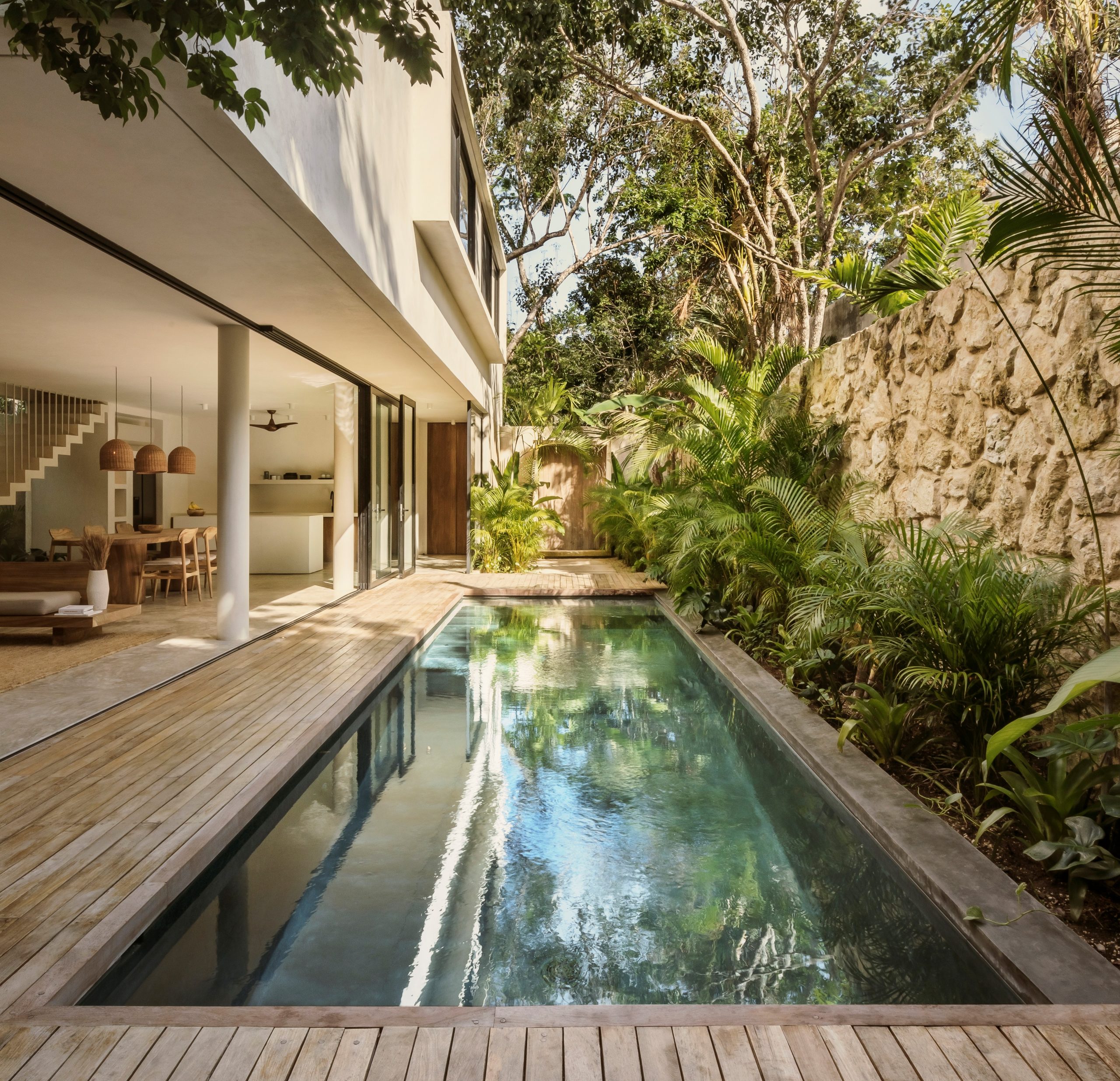
A cenote is also the best answer to a day when the sea is rough or the beach has seaweed; we explain more in Best Time to Visit Tulum. For a full week of ideas, see our 5-day Tulum itinerary. And when you are ready to plan the trip, have a look at the villa and get in touch.